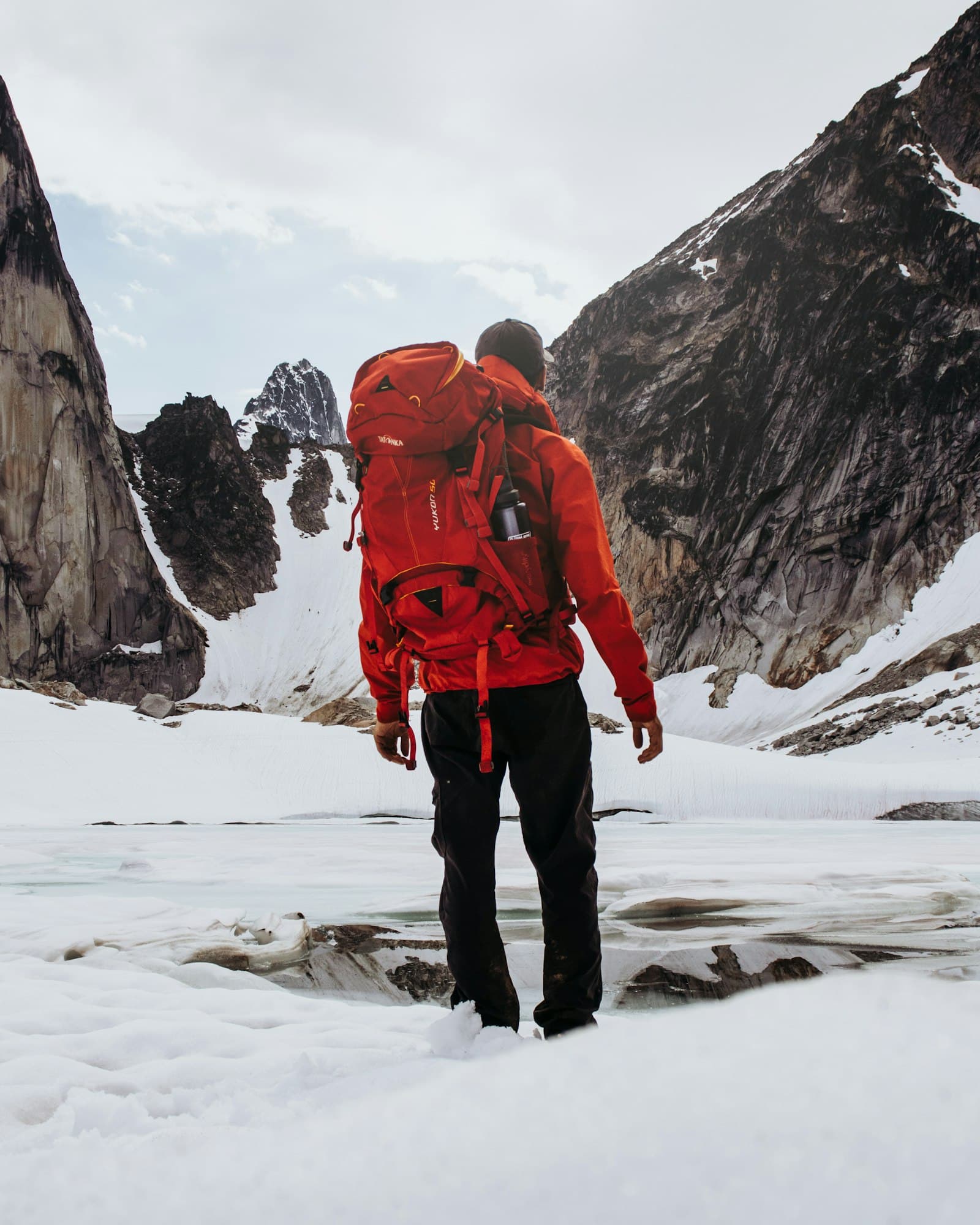
Acute mountain sickness is not a fitness problem. Extremely fit people get it, and they get it worse, because they climb faster and ignore the early signs longer.
The only rule that reliably works
Above 10,000 feet, do not increase your sleeping altitude by more than 1,500 feet a day, and take a rest day every 3,000 feet. That is it. Everything else is a supporting act.
- Works: slow ascent, hydration, an acclimatisation day, descending when symptoms persist.
- Works, with a doctor: acetazolamide, started 24 hours before the climb.
- Harmless, does nothing: garlic soup, camphor under the nose, chewing on ginger.
- Actively harmful: alcohol on ascent nights, sleeping pills, 'pushing through' a headache.
Before you book
Whoever you go with, ask the same three questions: what is the group size, who is the lead guide on your specific departure, and what exactly happens if the weather turns. Any operator worth your health will answer all three in one message, without hedging.
Every agency listed on TrackYourTour publishes its cancellation terms, guide-to-traveller ratio and verified reviews on the package page itself — so you can compare the answers side by side instead of chasing them over calls.
Former expedition medic turned writer. Arjun tests gear the boring way — in the rain, for weeks — and is unreasonably opinionated about boots.