
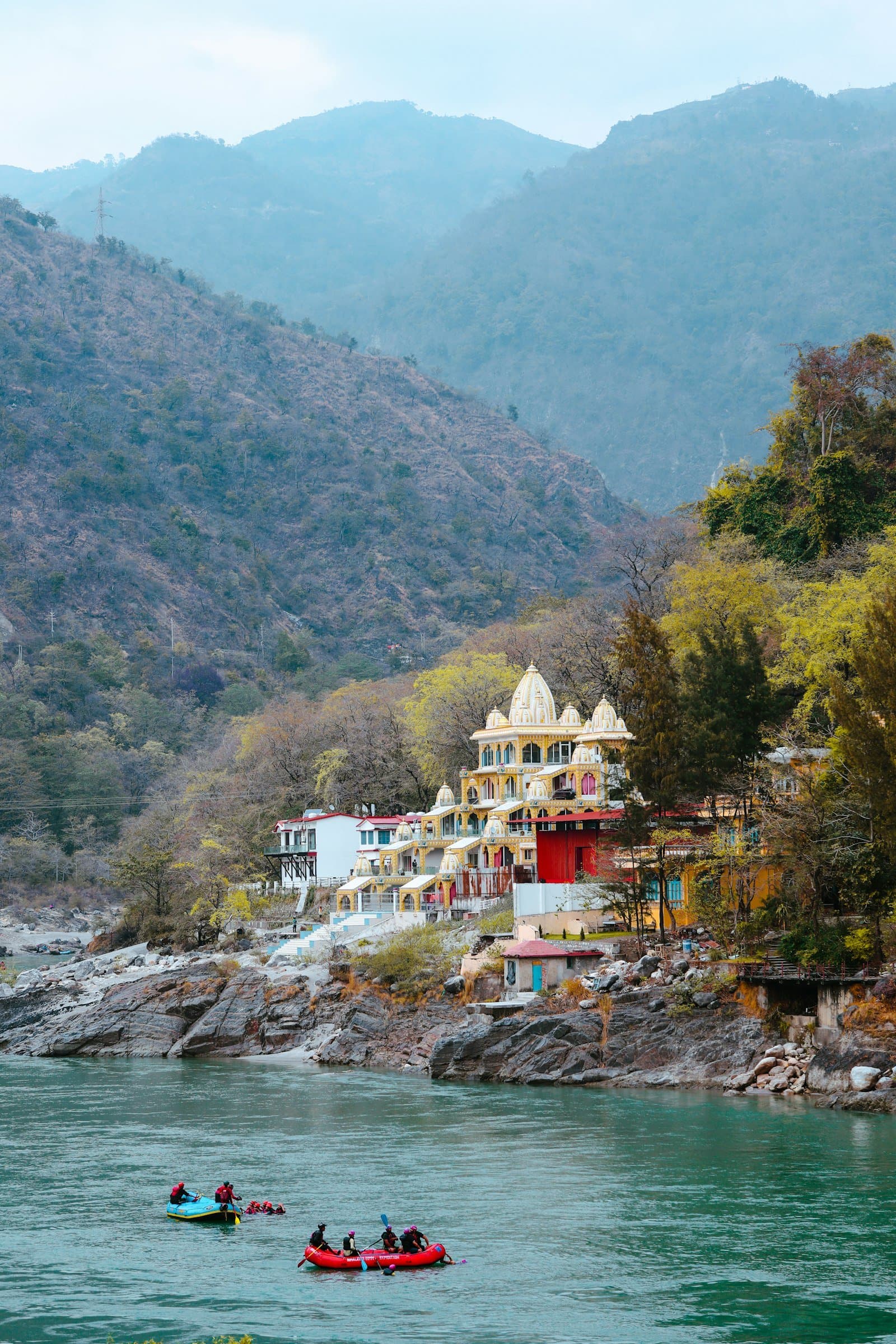
The gap between the best and worst trekking operators in India is not price. It is roughly fifteen hundred rupees per person and an entirely different attitude to what happens when something goes wrong at 14,000 feet.
1. Who is the lead guide on my departure?
Not 'our guides are experienced'. A name, and how many times that person has run this specific route. An agency that cannot answer this a week out has not staffed the trek yet, which means they are still waiting to see if it fills.
2. What is the guide-to-traveller ratio?
One certified lead per eight trekkers is the working standard on moderate Himalayan routes, with a sweep guide at the back. Twenty people and one guide is not a trek, it is a queue with altitude.
3. What medical kit travels with the group?
- A pulse oximeter, used every evening above 11,000 ft — not just carried
- Supplemental oxygen, and a guide who has actually used it
- A portable hyperbaric bag on routes crossing 15,000 ft
- A written evacuation plan naming the nearest road head and hospital
4. What is the actual cancellation policy?
Weather cancellations are not rare on Himalayan routes, they are a normal cost of the season. Operators who have thought about it publish a sliding refund schedule. Operators who have not will tell you it is 'case by case', which means case by argument.
Five to eight: the quick ones
- Are porters and mule handlers insured, and what weight limit do they carry?
- Where does the group waste go — down with you, or into a pit behind the campsite?
- Is there a mandatory acclimatisation day, or does the itinerary gain 4,000 ft in one push?
- Can you see reviews from travellers who went on a departure that got cancelled?
“A cheap trek is cheap because someone in the chain is being underpaid or something in the kit is missing. Find out which before you book, not at the pass.”
Before you book
Whoever you go with, ask the same three questions: what is the group size, who is the lead guide on your specific departure, and what exactly happens if the weather turns. Any operator worth your safety will answer all three in one message, without hedging.
Every agency listed on TrackYourTour publishes its cancellation terms, guide-to-traveller ratio and verified reviews on the package page itself — so you can compare the answers side by side instead of chasing them over calls.
Former expedition medic turned writer. Arjun tests gear the boring way — in the rain, for weeks — and is unreasonably opinionated about boots.