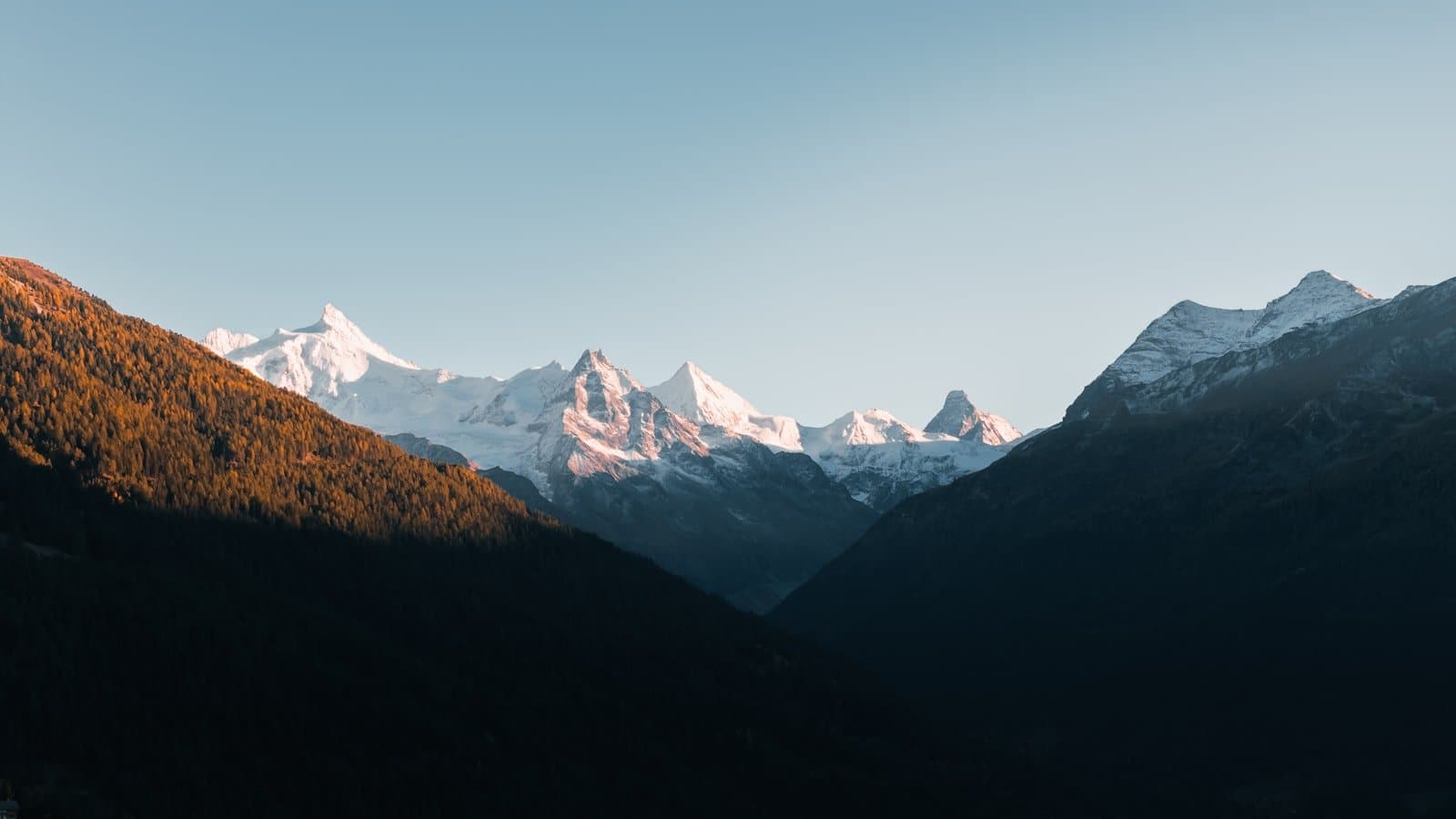
You have seen the photograph. Gadsar, impossibly blue, ringed by snow that has no business surviving July. It is on every second travel feed in the country and it is the single biggest reason people sign up for the Kashmir Great Lakes trek without reading much further.
The photograph is not a lie. But it leaves out the eleven kilometres of loose scree before it, the fact that you will cross the same meltwater stream four times in one morning, and that on a bad weather day you will see precisely none of that blue. This is a guide for the version of the trek that actually happens.
What the days actually look like
The standard itinerary runs Sonamarg to Naranag over six trekking days, covering roughly 72 kilometres with four passes above 13,000 feet. Nothing about it is technical. All of it is relentless.
- Day 1 — Sonamarg to Nichnai (11 km). Deceptively pleasant. Pine, then meadow, then the first real climb.
- Day 2 — Nichnai Pass to Vishansar (13 km). Your first 13,000 ft crossing. Start before 7am or the wind finds you.
- Day 3 — Gadsar Pass (16 km). The long one. Two lakes, one pass and an army check post that will want your ID.
- Day 4 — Satsar (12 km). Boulder fields. Watch your ankles, not the view.
- Day 5 — Zaj Pass to Gangabal twin lakes (11 km). The payoff day.
- Day 6 — Descent to Naranag (13 km). Steep, knee-destroying, mercifully downhill.
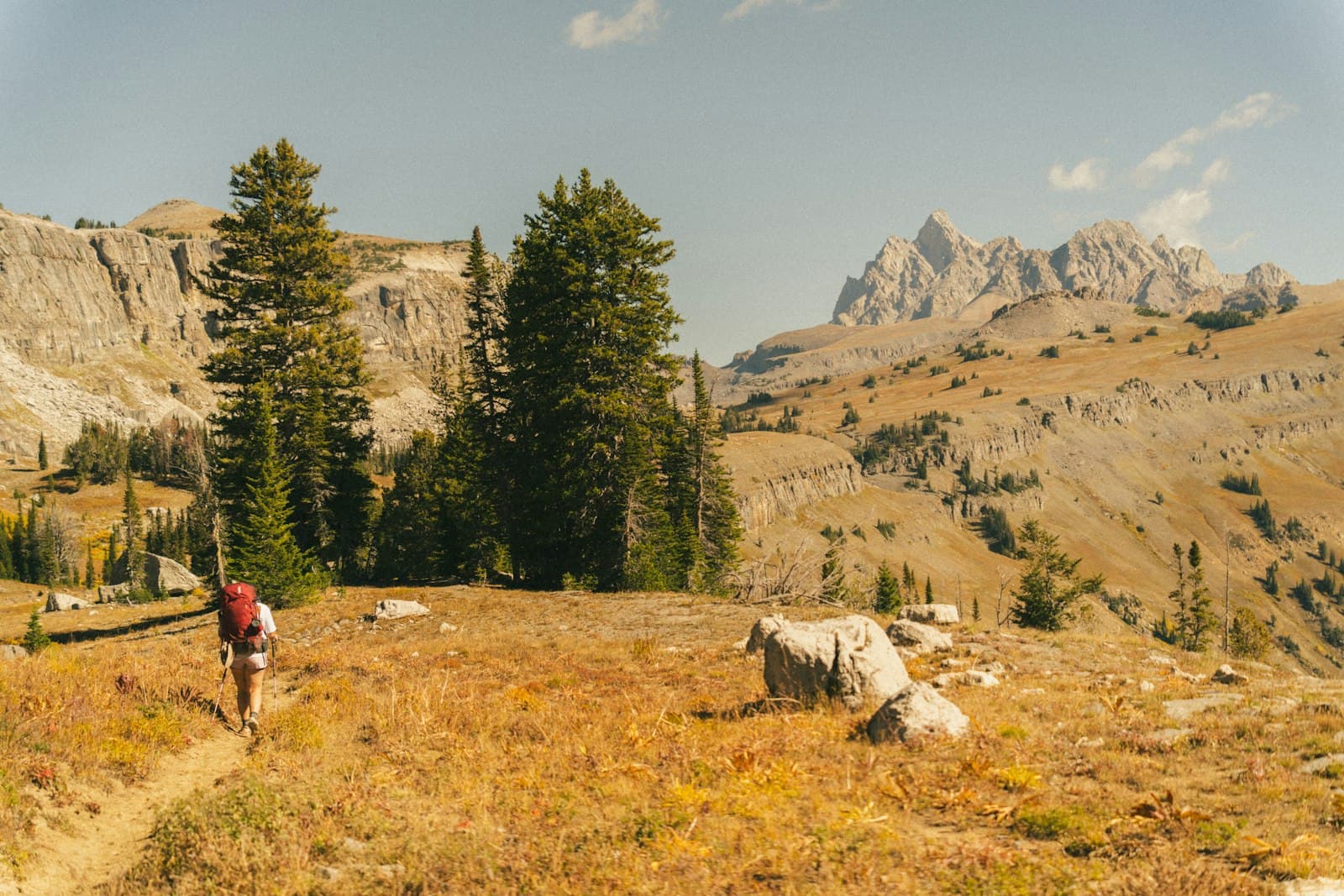
The river crossings nobody mentions
Between late June and mid-July the snowmelt is at full volume. Crossings that are ankle-deep in September are thigh-deep in early season, and the water is cold enough to make your legs stop cooperating within about thirty seconds.
“People train for the altitude and forget entirely about the water. Half the injuries I have seen on this route happened below 12,000 feet, in a stream, at nine in the morning.”
When to go — and when not to
July and August are the honest answer. June leaves too much snow on Gadsar Pass and swollen crossings; by late September the lakes are still there but the meadows have gone brown and the nights drop well below freezing in tents that are not rated for it.
Is it actually a beginner trek?
It is sold as one. It is not. There is no technical difficulty, but six consecutive days of 11–16 km with four high passes is a real load on a body that has not done it before. If your longest walk this year was a weekend in the Sahyadris, do two months of stair and pack training first.
Before you book
Whoever you go with, ask the same three questions: what is the group size, who is the lead guide on your specific departure, and what exactly happens if the weather turns. Any operator worth your money will answer all three in one message, without hedging.
Every agency listed on TrackYourTour publishes its cancellation terms, guide-to-traveller ratio and verified reviews on the package page itself — so you can compare the answers side by side instead of chasing them over calls.
Meera has walked over 40 Himalayan routes across Uttarakhand, Himachal and Ladakh. She writes about high-altitude trekking, permits and doing it all without wrecking the trail.